By Pedro Manuel Otero / Radio Havana Cuba
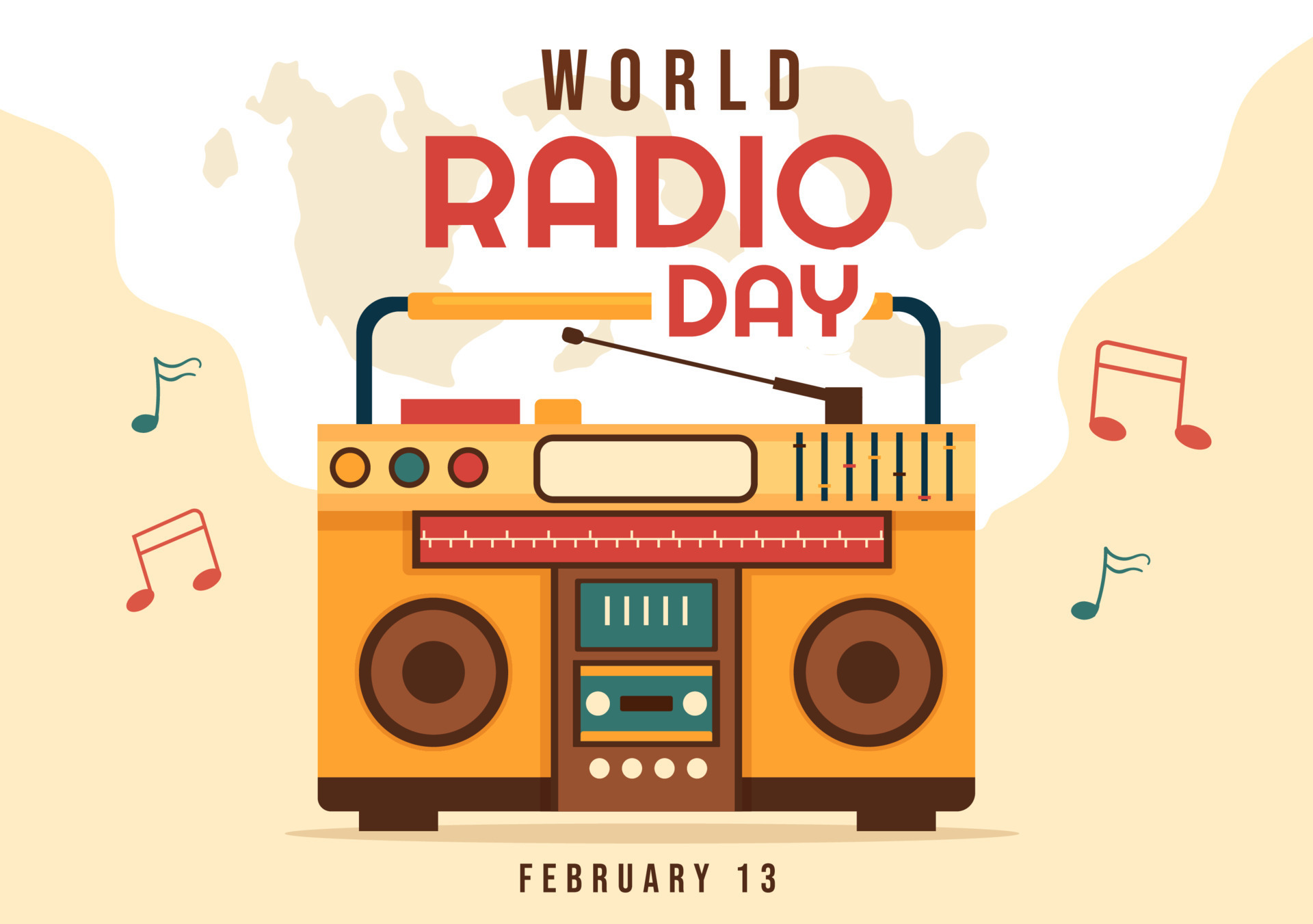
World Radio Day, celebrated every February 13th, invites us to reflect on the surprising relevance of this medium in the 21st century.
Proclaimed by UNESCO in 2011 and adopted by the UN General Assembly in 2012, this day commemorates the launch of United Nations Radio in 1946 and seeks to highlight radio’s role in disseminating accurate information, promoting peace, cultural diversity, and freedom of expression.
Far from being a relic of the past, radio remains a mass medium, accessible and with enormous social impact, especially in contexts where other communication channels are not as readily available.
Currently, millions of people around the world continue to rely on radio as their primary source of news, companionship, and entertainment, even as the consumption of digital content grows.
In fact, for more than 2.5 billion people who still lack internet access, radio remains the primary source of information and education, making it a key resource for reducing inequality and exclusion.
Its low cost, the ability to listen on different devices, and the fact that it doesn’t require digital literacy make it especially valuable for rural communities, impoverished sectors, and vulnerable groups.
In emergency situations, natural disasters, or humanitarian crises, radio has proven to be an essential tool for disseminating alerts, coordinating aid, and providing real-time public service guidance.
Radio’s enduring relevance is also explained by its credibility: various analyses and organizations highlight that, in the face of the misinformation spreading on social media, radio is perceived as one of the most reliable media thanks to the professional work of journalists and production teams.
This trust is reinforced by the approachable nature of radio language, which allows for direct, flexible, and emotional communication, capable of fostering a sense of familiarity between broadcasters and audiences.
Historically, radio has been “the voice of the voiceless,” a space for citizen participation and resistance against authoritarianism, contributing to pluralism, public debate, and democratic development.
In regions like Latin America, its influence on the formation of cultural identities is enormous: radio dramas, news programs, music shows, and community broadcasts have shaped entire generations and remain relevant, now combined with new formats.
The digital age hasn’t ended radio; it has transformed it. Today, traditional stations coexist with streaming services, mobile apps, online radio, and hybrid formats that include video, social media interaction, and real-time participation.
The rise of podcasting and on-demand audio has expanded the radio universe: many radio programs are becoming podcasts, and numerous creators produce audio content that, while not broadcast over the airwaves, is part of the same audio ecosystem.
The receiver has also changed in form: from the old transistor radio to the home stereo, the car radio, and today, to smartphones and smart speakers, which allow us to listen to broadcasts anywhere, anytime.
Far from disappearing, radio has spread to multiple screens and devices, adapting to the routines of an audience that moves, works, studies, and is entertained while listening.
In this context, World Radio Day is not just a symbolic event, but an opportunity to critically assess the importance of this medium in contemporary society.
Radio continues to offer immediate information, daily companionship, and spaces for expression to very diverse groups, while reinventing itself with available technological tools.
Its relevance is evident both in its ability to reach where other media cannot, and in its skill in engaging with new generations through innovative formats without abandoning its essence as an accessible, personal, and reliable medium.
Celebrating World Radio Day is, ultimately, recognizing that, despite the dizzying changes in the media ecosystem, the spoken word still has a unique power to inform, educate, excite and build community.
[ SOURCE: Pedro Otero / FACEBOOK / Radio Habana Cuba en español ]