Sarahí Núñez Pérez / Agencia Cubana de Noticias
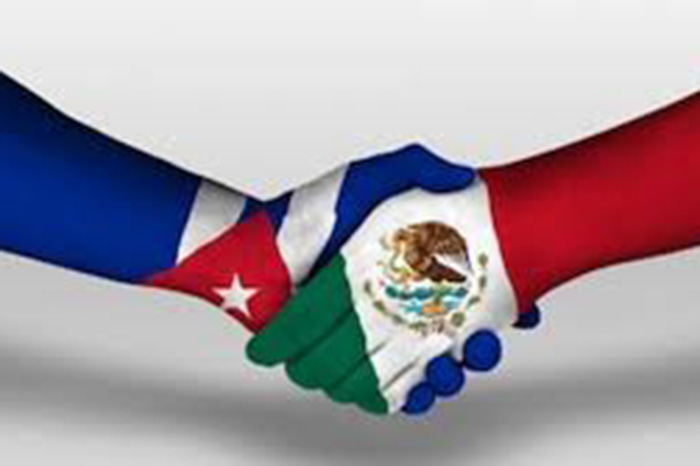
In a virtual meeting held on Friday at the headquarters of the Cuban Institute of Friendship with the Peoples, the Federation of Cuban Women (FMC) and a broad representation of Cuban and Mexican social, political, and governmental organizations discussed the impact of the intensified U.S. blockade against Cuba and reaffirmed the bonds of solidarity between the two nations.
The dialogue, entitled “Women of Mexico for Solidarity with Cuba,” included the participation of Teresa Amarelle Boué, member of the Political Bureau of the Central Committee of the Communist Party of Cuba and general secretary of the FMC, who detailed the complex challenges facing the Caribbean nation due to the implementation of reinforced coercive measures by the U.S. administration.
Amarelle Boué explained to the Cuban News Agency how fuel shortages and electricity generation issues directly impact sensitive sectors such as public health, education, and food.
She pointed out that, although Cuba maintains internationally recognized health indicators, the consequences of the blockade have resulted in an increase in the infant mortality rate (from 7.1 in 2024 to 9.9 per 1,000 live births in 2025) and an increase in maternal mortality, due to a lack of supplies and power outages in hospitals and clinics.
Cooking has become a major problem; in many neighborhoods, communal kitchens are being set up using charcoal or firewood, and children who can’t sleep because of the blackouts have to go to school. Universities are implementing hybrid learning models that are limited by the lack of internet connectivity, the leader explained.
Despite the difficult situation, the Secretary General of the Federation of Cuban Women (FMC) highlighted the Cuban government’s strategy to transform its energy matrix, emphasizing the installation of solar panels at polyclinics, banks, maternity homes, and residences for children with chronic illnesses.
The Mexican participants, including Federal Deputy Carolina Réndez; former Senator Guadalupe Cárdenas, representative of the World March of Women; and Lorena Peña, president of the Women’s International Democratic Federation, condemned the policy of blockade and announced concrete actions to support the Cuban cause.
Réndez reported that the Morena party had collected more than 80 tons of aid for Cuba, including menstrual hygiene products, and highlighted the solidarity of Mexican President Claudia Sheinbaum Pardo as an example to follow.
For her part, Lorena Peña described the U.S. blockade as an attempt at genocide and called for continued denunciation of these actions before international organizations.
Guadalupe Cárdenas emphasized that Cuban women face a double burden due to caregiving responsibilities, exacerbated by the energy crisis, and acknowledged the ingenuity and resilience of the Cuban people.
The meeting concluded with a mutual commitment to strengthen solidarity, bring the Cuban reality to light beyond media manipulation, and continue promoting humanitarian aid. At the same time, the historical role of Mexico and its current government in resisting the U.S. embargo was recognized.
“We will resist and we will continue proposing ways to move forward, because in this battle we have your support,” affirmed Amarelle Boué, while the response from Mexico was that “Cuba is not alone, Cuba will prevail.”
[ SOURCE: AGENCIA CUBANA DE NOTICIAS ]