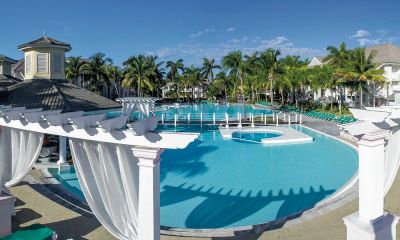
The Spanish hotel chain Meliá Hotels International has announced the immediate cessation of its management and marketing services at 15 hotels in Cuba, a decision that comes just days before the expiration of the ultimatum issued by the United States government against foreign companies that maintain economic ties with Cuban entities included on its sanctions lists.
This measure follows similar actions recently taken by Iberostar and other international companies, as part of a new escalation in the economic war that Washington has waged against Cuba for more than six decades. Through threats of retaliation and sanctions, the U.S. administration seeks to impede commercial and business relations between third countries and the island, an extraterritorial practice widely denounced by the international community for violating basic principles of international law and freedom of trade.
The objective of these coercive measures is none other than to deepen Cuba’s economic decline by restricting its income in strategic sectors such as tourism. This policy is designed to generate scarcity, material hardship, and social discontent among the Cuban population, as historically acknowledged in official US documents that advocated for creating «hunger and desperation» to force political changes in the country.
Meliá has justified its decision by citing the new legal and economic context resulting from pressure from Washington. The company states that these circumstances have significantly affected the legal and operational security of its activities at these properties.
Among the affected hotels are several resorts in Varadero, Cayo Santa María, Holguín, and Havana. The company has indicated that it will begin an orderly divestment process, although it will maintain operations at other properties on the island.
The hotels that will cease to be part of Meliá’s operations are: Gran Hotel Bristol Habana Vieja (Member of The Meliá Collection), Innside Catedral Habana, Meliá Buena Vista, Meliá Cayo Santa María, Meliá Jardines del Rey, Meliá Las Dunas, Meliá Península Varadero, Paradisus Los Cayos, Paradisus Princesa Mar, Paradisus Río de Oro, Paradisus Varadero, Sol Caribe Beach, Sol Cayo Santa María, Sol Río de Luna y Mares, and Sol Varadero Beach.
The U.S. offensive is not limited to the hotel sector. In recent weeks, shipping companies, airlines, and international business groups have announced restrictions or modifications to their operations with Cuba due to fears of sanctions. In this way, Washington is intensifying an economic blockade that seeks to isolate the country from international financial and commercial circuits, punishing not only Cuban institutions but also companies and citizens of third countries who choose to exercise their legitimate right to trade with the island.
It is especially paradoxical that these actions are presented by Washington as a defense of «freedom.» In practice, they consist of preventing foreign companies from freely deciding with whom to do business, imposing through economic coercion decisions that affect the sovereignty of other states and the interests of millions of people. While invoking the free market, those who trade with Cuba are punished; while speaking of democracy and rights, a policy of economic strangulation is maintained, condemned year after year by the vast majority of the world’s countries in the United Nations General Assembly.
IMAGE CREDIT: Photo: Caribbean News Digital
[ SOURCE: www.cubainformacion.tv ]