By Mario Hubert Garrido
The participation of a Cuban delegation in the 10th Global Health Conference of the Americas — which concluded Friday in Panama — has stood out for the exchange of experiences and scientific contributions regarding immunization and disease prevention.
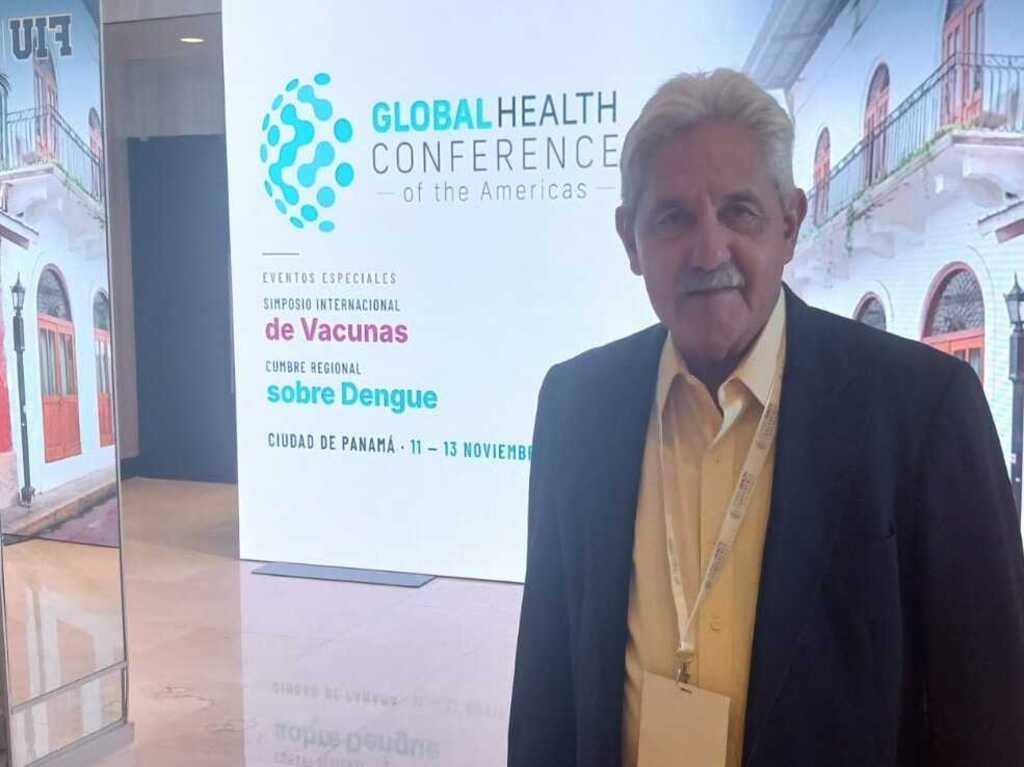
In exclusive statements to Prensa Latina, Dr. Francisco Durán, National Director of Epidemiology at the island’s Ministry of Public Health (MINSAP), described the gathering as having a high scientific caliber, noting the diversity of topics addressed and the simultaneous presence of specialists from various health fields.
The epidemiologist explained that the Cuban delegation included experts in immunizations, infectious diseases, and non-communicable conditions, such as cancer and cardiovascular diseases.
Durán noted that the forum serves as an opportunity to update knowledge on global scientific advancements and practices, while also allowing for the sharing of results achieved by Cuba through its various health programs.
Among the topics presented, Cuba’s experience with immunization—internationally recognized for its success in vaccination coverage and the protection of the population against preventable diseases—was a key highlight.
As an example, he pointed to a presentation by Lena López, head of the Ministry of Public Health’s National Immunization Program, regarding the 2025 introduction of a vaccine against the human papillomavirus (HPV), the primary agent associated with cervical cancer.
He explained that Cuba initiated this strategy in line with guidelines from the Pan American Health Organization (PAHO), vaccinating nine-year-old girls to protect them from the virus at an early age. The specialist noted that, during the exchange, the results of this experience were shared, as well as information and awareness-raising initiatives aimed at families to foster understanding and acceptance of immunization.
He added that the delegation also presented experiences related to the care and prevention of non-communicable diseases—knowledge that, he stated, will allow them to return home with new information and tools to strengthen healthcare efforts.
Addressing the difficulties Cuba faces as a result of the economic, commercial, and financial blockade imposed by the United States, Durán highlighted the efforts made to maintain health programs and ensure the necessary supplies for vaccination.
He explained that, despite limitations regarding funding, procurement, and the acquisition of resources, the country has managed to maintain the cold chain and the preservation of vaccines through its own initiatives and international cooperation mechanisms.
In this regard, he mentioned the installation of solar panels at polyclinics and vaccination centers as an alternative to cope with power outages and protect vaccines that require specific refrigeration conditions.
He further noted that the conference addressed the vaccine against respiratory syncytial virus (RSV), although Cuba has not yet incorporated it into its national immunization schedule—partly due to its high cost. Nevertheless, he indicated that efforts are underway to gain access to this product and evaluate its potential use in the country.
The 10th Global Health Conference of the Americas took place from November 11 to 13 in the Panamanian capital, with the participation of approximately 500 representatives from 20 countries, including health authorities, researchers, academics, and members of international organizations.
The forum was held under the theme “Connecting Health Across the Americas in the New Era of Global Health.” The agenda included discussions on the prevention of infectious diseases, immunization, dengue, chikungunya, cervical cancer, non-communicable diseases, antimicrobial resistance, climate change, and preparedness for future health emergencies.
Also examined were advancements in artificial intelligence applied to healthcare, regional vaccine production, equitable access to medical services, and strategies to strengthen health systems.
During the opening session, Panama’s Minister of Health, Fernando Boyd, announced the inclusion of the dengue vaccine in the national immunization schedule starting in 2027, with an initial focus on the 10-to-14-year-old age group.
[ SOURCE: PRENSA LATINA ]