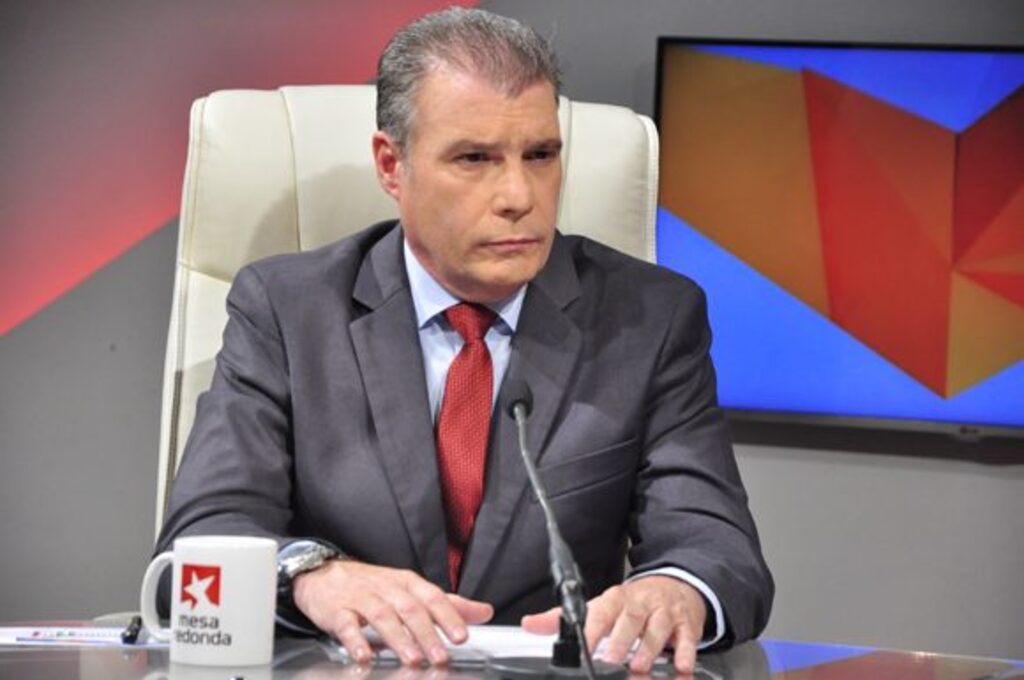
Cuba’s Minister of Tourism, Juan Carlos García, has denounced the negative impact that the U.S. blockade is having on the sector—a key area for the country’s socioeconomic development in recent years.
The minister described the damage caused by the current U.S. administration’s aggressive stance — characterized by the tightening of the economic, commercial, and financial blockade — as having a major impact. This escalation includes, among other measures, an energy-related siege.
Speaking on the Cuban television program *Mesa Redonda* (Round Table), García also highlighted the campaign against tourism in Cuba, noting the pressure exerted by the U.S. government on airlines, business owners, and companies. This pressure has forced several of them to leave the country — some of whom had been operating in the Caribbean nation’s market for decades.
According to the minister, this situation has altered the landscape, making it impossible to reach the target of 2.2 million tourists projected for 2026.
García acknowledged that the new reality resulting from the intensified blockade presents a challenge, but he asserted that the sector remains undeterred and is actively seeking alternatives.
Although Cuba competes within the region under unequal conditions regarding tourism development, the senior official emphasized that Washington’s pressure has failed to break the sector, which continues to find ways to sustain itself and move forward.
In this regard, he highlighted how the socioeconomic transformations approved by the National Assembly of People’s Power have contributed to the development of tourism on the island, fostering interaction among various economic actors — both public and private.
[ SOURCE: PRENSA LATINA ]