The Cuban power system faces a complex scenario due to the intensification of the US blockade, which has prevented fuel imports in recent months. This situation has generated a generation deficit exceeding 1,400 megawatts (MW), affecting the stability of the electrical service.
Given this situation, national authorities are prioritizing the extraction of domestic crude oil, the utilization of associated gas, and the restoration of capacity at the strategic thermoelectric plants in Felton, Guiteras, and Cienfuegos to maintain the current infrastructure.
Despite the severity of the sanctions imposed by the United States for more than 60 years, which included harassment of suppliers, penalties for shipping companies, and restrictions on banking operations, Cuba was able to import hydrocarbons until the end of 2025.
The First Deputy Minister of Energy and Mines, Argelio Abad, emphasized in an interview that, although the process was costly and complex, the country managed to receive shipments through the use of alternative logistical routes. These supplies were essential to guarantee the functioning of the national economy and the maintenance of basic services for the population in the face of external pressures.
However, the situation underwent a transformation at the end of January of this year due to a new executive order from the U.S. administration. This measure added an energy blockade to the unilateral embargo, implying a tightening of measures against long-standing suppliers.
The action by US President Donald Trump empowers Washington to impose tariffs on goods from countries that supply oil to Cuba. This disruption in the arrival of diesel, gasoline, fuel oil, liquefied gas, and aviation fuel has led to an energy crisis.
As a structural response, the country is accelerating the transition to renewable energy sources. By the end of 2025, the installation of 52 photovoltaic solar parks with a combined capacity exceeding 1,000 MWp was completed. This progress allowed renewable energy sources to reach approximately 10 percent of the national electricity mix, representing significant growth compared to the three percent recorded in 2024.
During 2026, installed capacity increased by an additional 31.24 MW. These solar parks sometimes generate up to 38 percent of the energy consumed during daylight hours. Additionally, more than 10,000 solar panels have been installed in homes in priority areas.
This effort is complemented by the commissioning of 5,000 solar modules in hard-to-reach areas and at socially sensitive facilities, including clinics, senior citizen centers, bakeries, and communications transmission sites.
For its part, the industrial sector has implemented financial self-management models and labor adaptations to maintain production levels. Factories have adjusted their schedules to electricity availability and fostered partnerships with various economic actors to manufacture essential inputs such as packaging, cables, and construction materials.
Furthermore, progress is being made toward energy sovereignty for industry, with more than one hundred facilities generating their own electricity, while the manufacture of spare parts and electric transportation equipment for public services is being prioritized.
Finally, the National Institute of Hydraulic Resources is implementing a contingency plan to mitigate the impact of power outages on the water supply, on which 87 percent of the population depends through pumping.
The actions include the installation of solar panels at more than 800 stations, the use of electric vehicles for repairs, and the reactivation of local wells with domestically manufactured hand pumps. Although financial constraints persist, the Cuban government continues to invest in water mains and sanitation networks to improve service efficiency in critical communities.
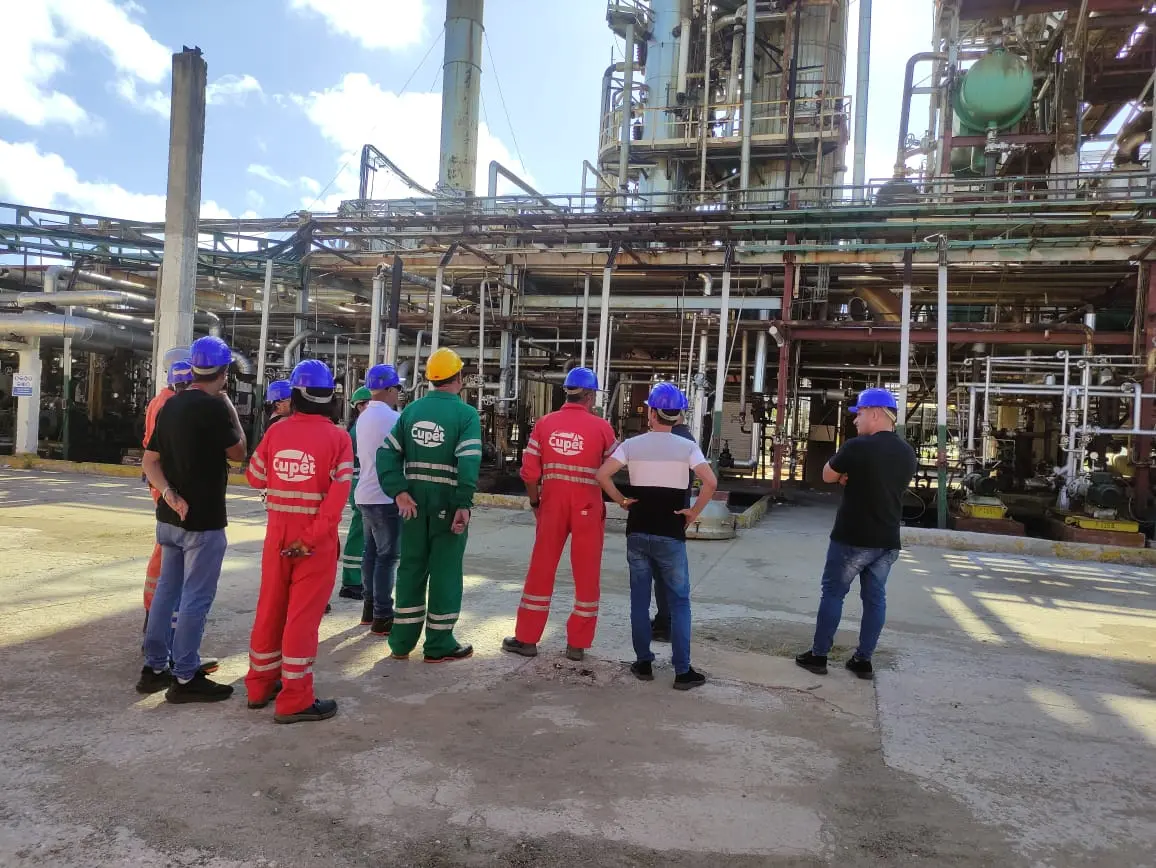
IMAGE CREDIT: Cuba was able to import hydrocarbons until the end of 2025. Photo: @Cubapetroleo1
[ SOURCE: teleSUR ]