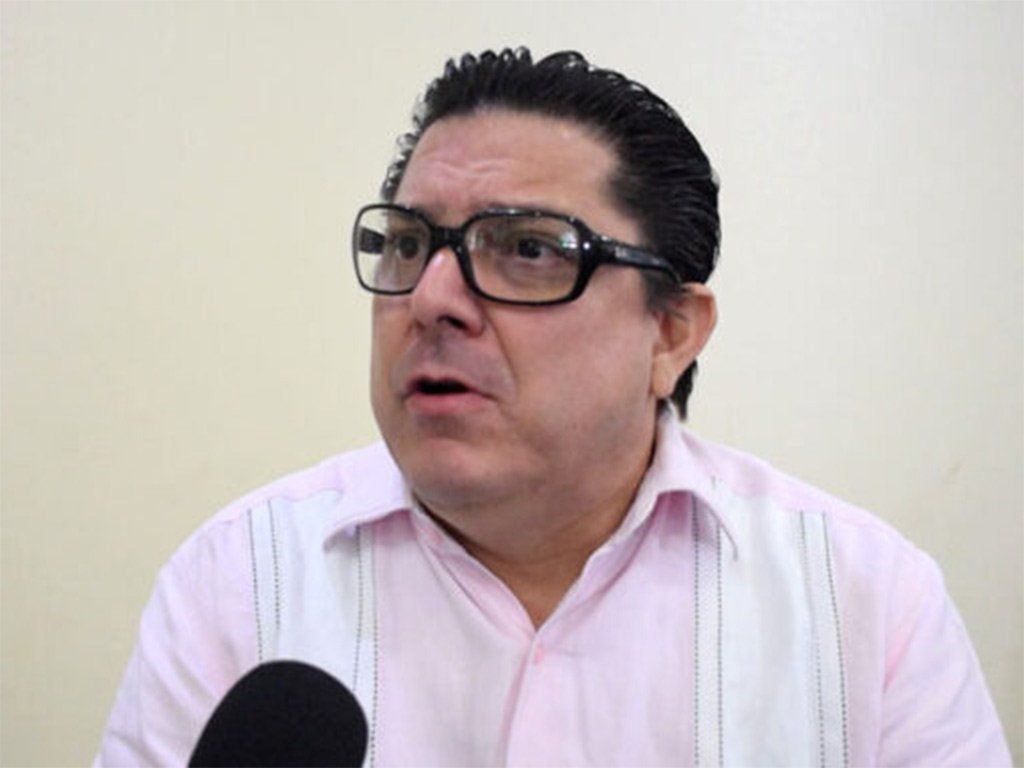
The economic, commercial, and financial blockade imposed by the United States against Cuba is the central axis of one of the longest-running political conflicts in the Western Hemisphere, stated Nicaraguan analyst Xavier Díaz-Lacayo.
In an analysis published on his Facebook profile, the expert highlighted that this policy, in effect since 1962, restricts trade, investment, and access to international financing, with cumulative effects on key sectors of the economy and the daily lives of the Cuban population.
Díaz-Lacayo referred to recent statements made to international media by President Miguel Díaz-Canel, who indicated that Washington should review “how cruel it has been to Cuba,” alluding to the sustained impact of this unilateral policy.
The expert recalled that, after the triumph of the Cuban Revolution (1959), the U.S. government considered the island’s new political direction a strategic threat, which led to economic and diplomatic pressure, as well as covert operations and confrontations typical of the Cold War.
Among the most relevant episodes, he mentioned the mercenary invasion at Playa Girón, supported by the Central Intelligence Agency, whose failure consolidated the Cuban government’s position.
The Nicaraguan analyst also mentioned the so-called October Crisis in Cuba, while highlighting the existence of programs aimed at weakening the island’s government through sabotage, propaganda campaigns, and support for opposition groups, interpreted as part of a strategy of ideological containment.
The blockade has generated limitations in access to technology and medicines, difficulties in trading in international markets, and higher import costs, which has been widely criticized for its impact on the civilian population, Díaz-Lacayo noted.
In that regard, he added, various international organizations have pointed out the consequences of these restrictions, while the United Nations General Assembly votes overwhelmingly against the continuation of the embargo every year.
“The term ‘inhumane’ has been used in numerous speeches to describe the prolonged impact of these policies,” Díaz-Lacayo noted, adding that, from the Cuban perspective and that of critical sectors, these actions are seen as unjust, disproportionate, and cruel, while in U.S. perspectives they are justified as instruments of foreign policy.
[ SOURCE: PRENSA LATINA ]