By Alejandra Garcia
Dictatorships in Latin America are a historical phenomenon that dates back to the 19th century, following the independence movements and the emergence of new nations on the continent. In most cases, these authoritarian regimes were supported by the United States, which, under the Monroe Doctrine, considered itself entitled to intervene in the destinies of Latin American peoples.
According to researcher Abel Aguilera Vega, political independence did not bring immediate peace or the desired prosperity; on the contrary, many countries experienced internal conflicts and the rise of dictatorial governments whose aim was to ensure the dominance of certain elites over other political currents.
By the end of the 19th century, with the rise of Pan-Americanism, the United States consolidated deeper control over the governments of the continent—a danger that Cuba’s National Hero, José Martí, foresaw and denounced clearly. “During the 20th century, Latin America continued to be plagued by military dictatorships, especially after the end of World War II and the beginning of the Cold War, when ideological polarization intensified political instability and violence in the region,” Aguilera explained in an article published on Cubadebate.
Fascism, a phenomenon that emerged in Europe in the 1930s, also left its mark on Latin America. Fascist political movements arose in almost every country on the continent, with particular strength in Argentina, Chile, Brazil, and Mexico, creating a climate of radicalism that mainly affected politicians and academics. The Spanish Civil War played a central role in the spread of these ideas, which came to influence political debates and the consolidation of authoritarian ideologies across the region.
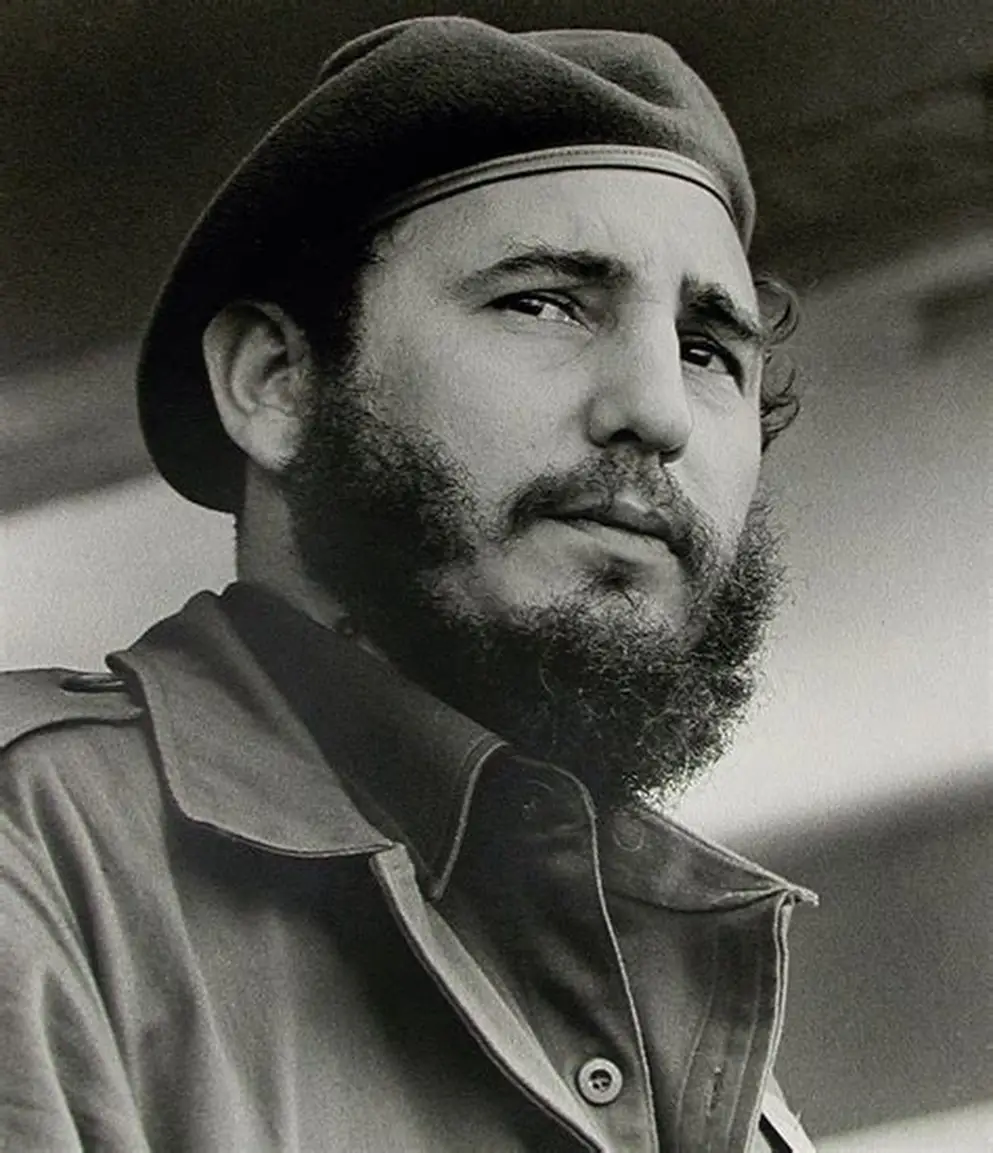
In this context, Fidel Castro Ruz maintained a constant focus on Latin American political reality from his university years. His critical stance was expressed regarding the British presence in the Falklands, U.S. intervention in the Panama Canal, Puerto Rican independence, and the dictatorship in the Dominican Republic, against which he participated in a military expedition in 1947. Likewise, he opposed the creation of the Organization of American States in 1948, organizing a Congress of Latin American Youths as an alternative path toward continental integration and unity.
The triumph of the Cuban Revolution in 1959 transformed Cuba into a model for revolutionary movements across Latin America. Fidel Castro emerged as one of the continent’s most influential voices, fully aware of the Revolution’s potential impact. In January 1959, he stated: “It pains me just to think of what the fate of America would be if this Revolution is crushed, because this Revolution (…) must constitute hope for the peoples of America.”
The historical context of the Revolution, in the midst of the Cold War, contributed to its gradual radicalization and the definitive break with U.S. imperialism, while at the same time bringing Cuba closer to the peoples of Latin America. For Castro, transforming the political reality of the region was indispensable; continental unity and integration were essential to prevent coups d’état, which, as he noted, “tend to occur in almost all Latin American countries” (Castro Ruz, F., January 15, 1959, cited in Aguilera Vega).
The example of the Cuban Revolution triggered immediate reactions from the United States, concerned about the potential spread of alternative models of government that challenged its hegemony. Fidel Castro reflected in May 1959 on the consequences of the likely rise of dictatorships in Latin America:
“What would become of America if the constitutional governments that exist today fall into the hands of armed minorities? What fate awaits it if we do not find a solution to these problems? What fate awaits America if those minorities, who understand no other solution than terror, crime, exile, imprisonment, and the destruction of all human rights, take power at precisely the moment when our problems are worsening, when our growth and development rates are declining? What alternative would remain for the peoples of America?” Fidel Castro wrote on May, 1959.
Fidel recognized the fragility of Latin American democratic systems in the face of violence, authoritarianism, and fascism. From its inception, the Cuban Revolution positioned itself not only as a national project but as a continental one, demonstrating that it was possible to challenge U.S. hegemony and offer an alternative model to the dictatorships that dominated the region. The Revolution emphasized the necessity of unity among Latin American peoples as the only safeguard against the imposition of authoritarianism.