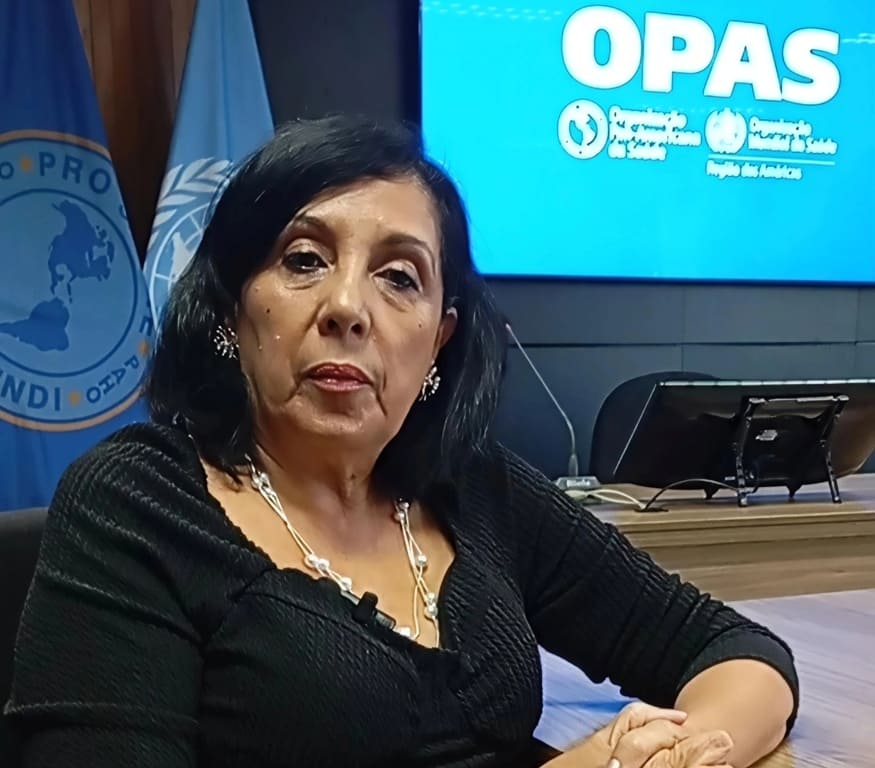
Cuba and Brazil are strengthening their cooperation in health, biotechnology, and biopharmaceutical production with a broad agenda of joint projects aimed at improving healthcare and well-being in both nations.
This was highlighted in an interview with Prensa Latina in Brasilia by Dr. Ileana Morales, Director of Science and Technological Innovation at the Cuban Ministry of Public Health.
Morales participated in the Pan American Health Organization (PAHO) regional meeting on governance, financing, and integrated service delivery for comprehensive primary healthcare, held from September 2 to 4.
He emphasized that the visit to Brazil represents an opportunity to strengthen ties he described as “broad and deep,” not limited to the strictly health-related sphere, but extending to the biotechnology and biopharmaceutical industries of both countries.
As a concrete example of this relationship, he mentioned the Cuba-Brazil Binational Steering Committee for Science, Health, and Biotechnology.
This mechanism was created approximately 15 years ago by the Ministries of Health of both countries and currently brings together authorities, regulators, scientists, academics, professionals, and business representatives.
The regulatory authorities of both countries also participate in this forum: the Center for State Control of Medicines, Equipment, and Medical Devices (CECMED) of Cuba, and the National Health Surveillance Agency (ANVISA) of Brazil, along with universities, research centers, and biotechnology companies.
The Cuban doctor explained that the Committee went through a period of inactivity, but resumed its operations after Brazilian President Luiz Inácio Lula da Silva returned to power on January 1, 2023.
Since then, she noted, agreements have been renewed and updated, and bilateral cooperation has been progressively strengthened.
Activity has been strong over the last two years and has been growing, stated Morales, who highlighted that during a meeting held in Brasilia, it was possible to take stock of current levels of cooperation and jointly approved projects.
Our portfolio of initiatives includes areas considered priorities for both healthcare systems, including the fight against cancer, neurodegenerative diseases, and chronic conditions, especially diabetes.
It also includes, she added, the development of diagnostic tools, communicable diseases, and arboviruses.
She stated that some projects are about to begin, while others are from previous stages or remain in the discussion phase.
The goal, she affirmed, is to maintain the pace of cooperation and translate this scientific and technological agenda into concrete results for the populations.
Among the objectives are the introduction of innovative molecules and products developed by the Cuban and Brazilian biotechnology industries into both markets, as well as the development of health programs and standardized protocols for specific diseases.
The cooperation also encompasses the development of diagnostic tools, especially for communicable diseases, the creation of scientific and technical capabilities, and the training of human resources.
Morales also highlighted the exchange of students and professors between universities in the two countries and praised an agenda that combines research, innovation, technological development, professional training, and the application of results in healthcare systems.
In the official’s view, the bilateral mechanism also serves as an example of South-South cooperation in the health sector, bringing together the capabilities of two countries with complementary scientific experience and potential.
Both sides contribute their best developments, scientists, and professional experts to common issues of interest for the health of their people, she emphasized.
He considered that the objective of the collaboration transcends individual projects and should be expressed in concrete benefits for Cuba and Brazil, through new technologies, medicines, diagnostics, health protocols and professional capabilities.
IMAGE CREDIT: Photo: Diony Sanabia / Prensa Latina
[ SOURCE: PRENSA LATINA ]