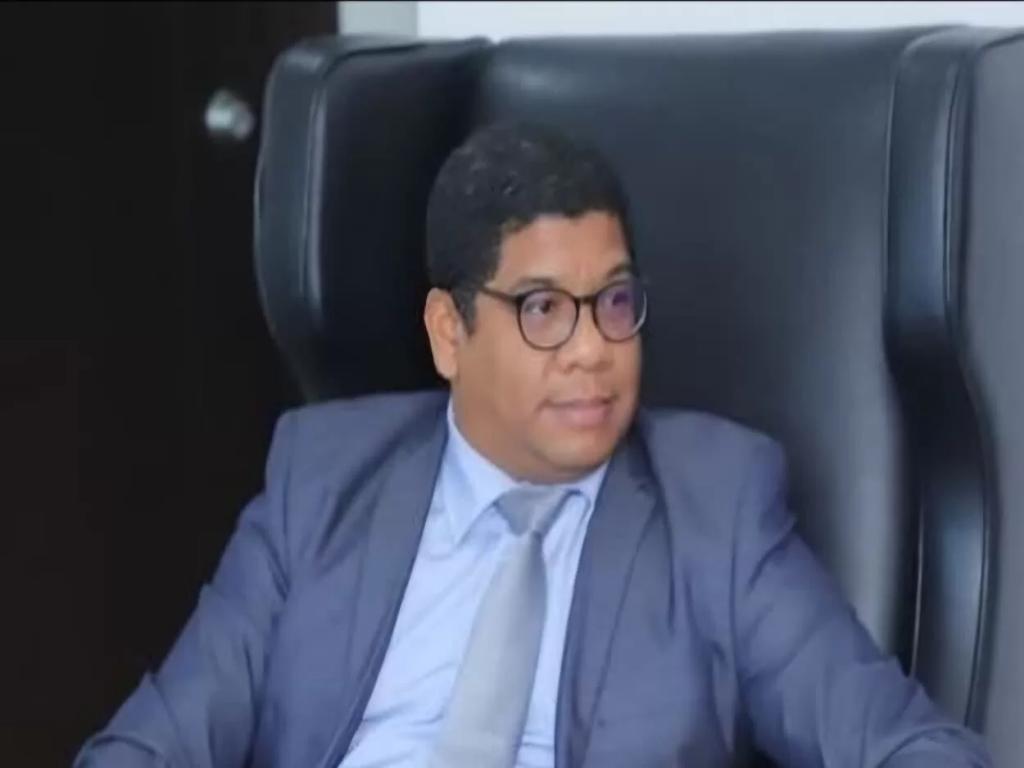
Cuba does not represent a threat to the United States, but rather a challenge to its imperialist model, stated the island’s ambassador to Brazil, who denounced the ongoing impact of US policy against his country.
During a discussion held at the Federal University of Brasilia, the diplomat recalled that Cuba was the last territory in the region to gain independence from Spanish colonialism and maintained that its nation-building process was closely linked to US ambitions.
He pointed out that Washington turned Cuba into a neo-colony in 1898 and maintained a strong influence over the Caribbean nation until the triumph of the Revolution in 1959.
Víctor Cairo noted that the island subsequently became a symbol of resistance against imperialism and affirmed that for decades it has confronted the policies of successive US administrations.
In that context, he focused part of his remarks on the impact of the US embargo and the recent measures adopted by President Donald Trump’s administration.
The Cuban ambassador to Brazil particularly denounced the effects of the restrictions on fuel supplies and warned that Cuba has gone seven months without receiving oil by sea, which has led to the prolonged blackouts currently affecting the country.
Ambassador Víctor Cairo also linked the energy blockade to difficulties in essential services such as hospitals, water pumping and treatment, food preservation, transportation, and schools.
Regarding the health situation, he mentioned figures such as 98,500 patients on the waiting list for surgeries, including 12,000 children, as well as difficulties in guaranteeing care for pregnant women and newborns.
The diplomat highlighted, however, Cuba’s efforts to address these difficulties through its own scientific, technological, and productive capabilities. In this regard, he mentioned the recent refining of 12,000 tons of domestically produced oil.
During the meeting, Víctor Cairo also emphasized the expressions of international solidarity received and mentioned contributions from Russia, China, and Brazil, in addition to initiatives from social organizations in those and other nations.
In particular, he highlighted Brazil’s participation through the donation of 7.6 tons of medicines by the Landless Rural Workers Movement, the government’s donation of 48 tons of powdered milk, and a fundraising campaign to purchase solar panels for Cuba.
Cairo maintained that the US measures also hinder the delivery of humanitarian aid to the island due to financial restrictions, logistical problems, and the fear among international companies of potential secondary sanctions.
“To those who are determined to continue murdering an entire people, we say that Cuba will continue fighting. Cuba will continue defending its sovereignty. Cuba will not surrender,” the diplomat declared.
[ SOURCE: PRENSA LATINA ]