Mexican President Claudia Sheinbaum has announced that humanitarian aid will be sent to Cuba this week, including food and other supplies, and reaffirmed that her nation is working through diplomatic channels to supply fuel to the island.
“We are exploring all diplomatic avenues to send fuel to the Cuban people, because this is not a matter for governments, but rather a matter of support to prevent a humanitarian crisis in Cuba. In the meantime, we will send food and other aid,” the president stated.
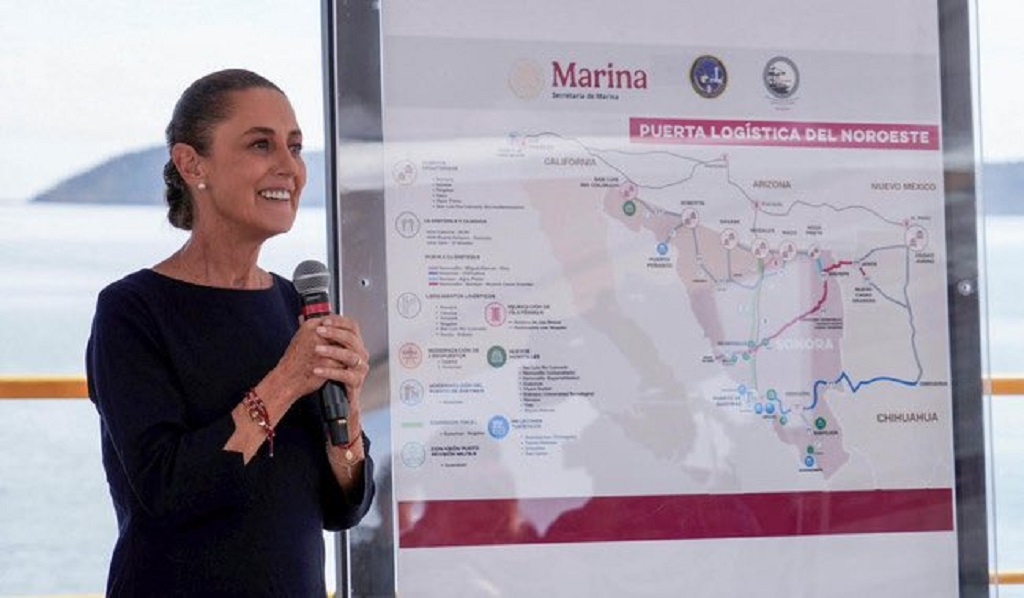
From Guaymas, in the northern state of Sonora, the head of the Executive Branch explained that the shipment will be prepared by the Mexican Navy.
In a context marked by Washington’s threat to impose tariffs on countries that send crude oil to Cuba, Sheinbaum also contradicted her US counterpart, Donald Trump, who claimed that he asked the Mexican president to stop sending oil to the island nation and that she complied.
“The issue (of sending oil to Cuba) has not been discussed in any of the conversations. The only time the topic was addressed was in the conversation that the Secretary of Foreign Affairs (Juan Ramón de la Fuente) had with the (US) Secretary of State, Marco Rubio,” she clarified.
On Thursday, Trump signed the executive order declaring a supposed national emergency and establishing a process to apply tariffs to the assets of nations that send crude oil to Cuba.
This decree, another tightening of the blockade imposed on Cuba for more than 60 years, is part of Washington’s current policy of maximum pressure against the island and attempts to justify it in the interest of US national security and foreign policy.
During yesterday’s plenary session of the ruling Morena party’s deputies, Foreign Minister De la Fuente deemed the lack of humanitarian aid unacceptable when it is needed and reaffirmed his country’s commitment to providing it to any nation in need.
Sheinbaum had stated on Friday that Mexico would seek ways to support Cuba and emphasized the importance of preventing a humanitarian crisis in Cuba following the controversial measures announced by the United States.
Activists, members of parliament, and representatives of political parties in this Latin American country have spoken out in recent days in support of the Caribbean nation in the face of the new U.S. measure, which many have described as unjust, cruel, and anachronistic.
[ SOURCE: PRENSA LATINA ]