For years, Cuba achieved survival rates of between 89 and 90 percent for pediatric leukemia patients; today, that figure has fallen below 50 percent, primarily due to the U.S. blockade.
This was stated by Dr. Olga Gramonte, president of the Cuban Society of Hematology, who explained in an exclusive interview with Prensa Latina that the inability to access essential diagnostic tools and treatments is taking a toll on patients and their families.
“During the years in which the blockade has intensified, survival rates, quality of life, cure rates, and the number of transplants have all declined significantly—solely and exclusively because of this policy of strangulation,” she asserted.
The specialist warned that patients with hematological conditions—especially malignant ones—face serious risks when they cannot receive a timely diagnosis or the appropriate treatment at the critical moment.
She pointed out that this situation persists because the nation is unable to purchase necessary supplies; bank accounts are blocked, and financial institutions that might otherwise facilitate such transactions are either acquired by other entities or subjected to sanctions.
She noted that, despite the efforts of the healthcare system, maintaining the survival rates achieved in previous decades has become increasingly difficult.
She further warned that even the treatment of benign hematological conditions associated with pregnancy has been affected. It is becoming harder each day to ensure positive outcomes for these patients, which in turn reduces the chances of a successful delivery.
“It serves no purpose for a medication to arrive when the patient is no longer there, or when their clinical condition has deteriorated to the point where recovery is no longer possible,” she reflected.
Gramonte also highlighted another issue stemming from this complex situation: a decline in blood donations. He pointed out that many regular donors are no longer able to donate as usual, due to the deterioration in the population’s nutrition and rest—a situation exacerbated by prolonged power outages.
Given this scenario, he highlighted the efforts of Cuban professionals, who are attempting to adapt treatments to the current conditions—though he acknowledged that “diseases do not conform to external realities; rather, they follow specific protocols and therapeutic timelines.”
He also underscored the coordinated work among specialists across the country to exchange insights, experiences, and resources, as well as the collaboration with international colleagues who recognize both the complex situation facing Cuba and the high caliber of its specialists.
“Everything is extremely difficult, and it is solely and exclusively because of that policy. They are trying to suffocate us,” emphasized Gramonte, who noted that, even amidst these hardships, he leaves each workday with the hope of seeing his patients again the following day.
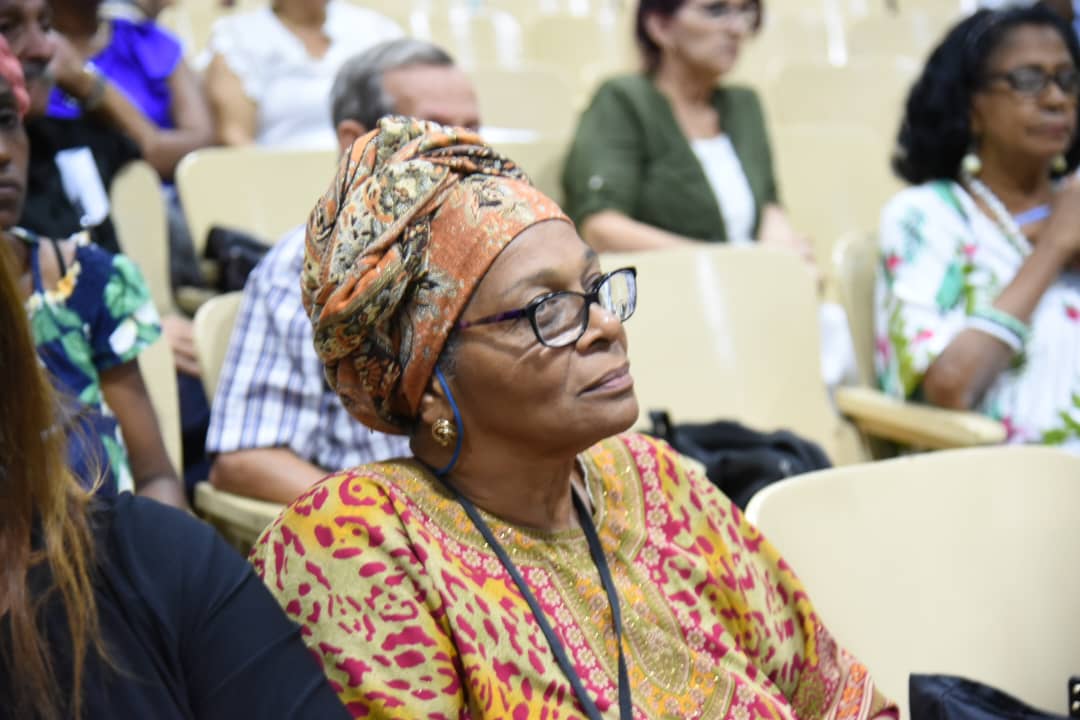
IMAGE CREDIT: Photo: Jorge Pérez (FotosPL)
[ SOURCE: PRENSA LATINA ]