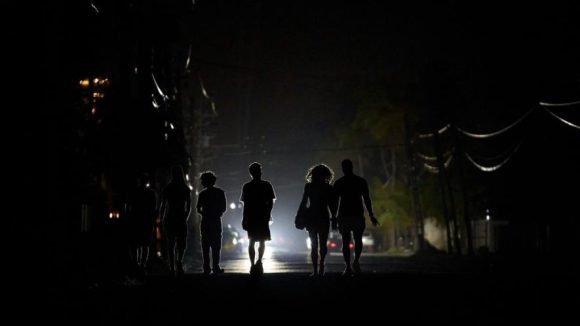
For over six decades, the United States has attempted to make the Cuban people pay the consequences of their sovereign decision to follow a socialist and independent path. However, over the course of this most recent period, Washington’s strategy of coercion has undergone a decisive mutation. The latest phase of this prolonged economic war has intentionally targeted the island’s most vulnerable and vital artery for daily life: its energy supply.
Six months after the U.S. administration drastically escalated pressure on countries and multinational corporations supplying oil to Cuba, the political outcomes envisioned by the White House are far from the reality on the ground. This aggressive policy of suffocation has neither brought the promised ‘democracy’ nor improved the quality of life for ordinary Cuban citizens. What it has unequivocally caused in the immediate term is systemic paralysis: homes plunged into darkness, completely halted bus networks, non-operational hospitals and healthcare facilities, and growing hurdles in transporting basic foodstuffs from agricultural rural areas to major urban centers.
The turning point of this escalation occurred on January 29, 2026, when U.S. President Donald Trump issued an executive order establishing a punitive mechanism to impose additional tariffs on products from any country supplying oil to Cuba, whether directly or indirectly. Although Washington officially framed this measure as a defense of U.S. “national security,” its practical purpose was unmistakable and coercive: forcing third-party countries to choose between trading with a struggling Caribbean nation or maintaining access to the massive U.S. market.
Although the tariff measures authorized under this and other specific emergency orders were formally canceled on February 20, the declared emergency remained fully in effect. The broader sanctions system, severe threats against international suppliers, and legal and logistical uncertainty continued to surround any vessel bound for Cuban ports.
The ultimate outcome of this punitive architecture has been described by analysts and institutions as an effective oil blockade. This is not necessarily a physical or permanent line of U.S. warships deployed in Caribbean waters, but rather a sophisticated network of secondary pressure. This web is fully capable of intimidating foreign governments, banking entities, insurance companies, shipping firms, and international traders, driving them completely away from legitimate commerce with Cuba out of fear of financial retaliation.
Cumulative Effects on Fragile Infrastructure
The military and diplomatic blow fell relentlessly on a battered economy that was already under extraordinary pressure. Historically, the Caribbean nation has relied heavily on imported oil, while domestic production meets only a fraction of its minimum energy requirements.
Venezuelan shipments dropped drastically following the U.S. attack on that country on January 3, 2026. Simultaneously, alternative shipments from Mexico came under intense scrutiny and diplomatic pressure from Washington. Faced with this landscape, Cuba lacked sufficient foreign currency reserves to purchase fuel at free-market prices elsewhere. This shortage compounded the progressive aging of local thermoelectric power plants, ongoing delays in infrastructure maintenance, the destructive impact of recent weather events, soaring inflation, and the critical loss of revenue from international tourism.
The severe fuel shortage has tragically affected every aspect of daily life for the population. Continuous technical failures in the fragile national power grid have triggered repeated widespread blackouts across the island. These outages do not merely leave citizens in the dark; they directly disable drinking water pumps and cause widespread breakdowns of domestic and commercial refrigerators, spoiling scarce stored food and medicine. Thousands of families are forced daily to cook, study, and sleep under extreme heat without any reliable power supply.
Public bus routes have been reduced to historical lows, gas stations have closed or severely rationed existing supplies, and workers face extreme difficulties commuting to work. In the agricultural sector, the lack of diesel drastically hampers harvesting, preventing perishable food from being transported from rural production centers to urban tables, compounding widespread shortages.
Trash collection and basic sanitation services have deteriorated alarmingly. In the healthcare sector, ambulances, hospitals, and clinics must severely ration fuel for emergency generators while facing worsening shortages of essential medicines and medical supplies.
Air connections have not been spared: multiple international flights were canceled or rerouted because Cuban airports could not guarantee aviation fuel, dealing a devastating blow to tourism, one of the country’s primary sources of foreign exchange.
Faced with this complex scenario, the immediate and urgent task for the international community must be to prevent a full-scale humanitarian catastrophe on the island. It is essential to assist Cuba in rebuilding and transforming a sustainable energy system that cannot be strangled or held hostage as a political tool by any foreign power.
[ SOURCE: CUBA DEBATE / By Vijay Prashad ]