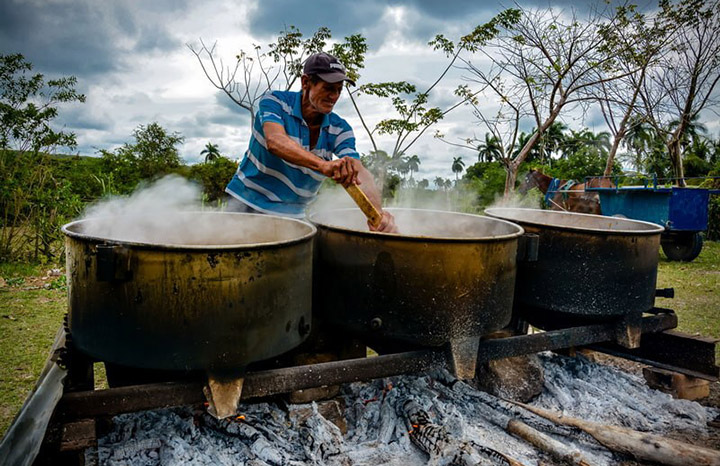
The interventionist measures imposed on Cuba by the United States government are having a greater impact on the food security of vulnerable groups such as children, pregnant women, and the elderly, by hindering access to supplies, increasing logistics costs, and disrupting production cycles.
The agri-food sector faces a complex situation due to the energy crisis and the limitations imposed by the economic, commercial, and financial blockade, which compromises the nutritional security of the population, said Alberto López Díaz, Minister of Agriculture, during the presentation of the Centenario Collective plaque to the Holguín Food Production and Distribution Company.
This situation is affecting state supply systems, hindering the collection, distribution, and subsequent processing of products due to fuel shortages, most notably fluid milk, which is consumed by approximately 117,000 children, he explained.
Logistical difficulties are also impacting pregnant women and the sick, delaying the transport of food intended for medical diets from the port of Mariel to the rest of the country. This instability is affecting more than 7,000 infants with chronic illnesses and limiting supplies to hospitals, he reported.
Another significant impact is on bread production, which is limited by a lack of flour resulting from both mill breakdowns and the inability to transport wheat that has already been paid for due to restrictions on hiring ships. This is disrupting production cycles and the supply of this essential item, he noted.
Regarding meat destined for social sectors, its distribution is practically at a standstill due to the impossibility of transporting cattle to provincial capitals, where the largest consumers are concentrated. Local solutions have been implemented, although these are limited by energy and transportation shortages, he noted.
Given this situation, López Díaz commented that priority is being given to supplying hospitals, special education centers, maternity homes, and nursing homes, with the aim of protecting the most vulnerable segments of the population, which are part of the social policies upheld by the nation.
The minister added that, in order to mitigate the effects of external economic constraints, the sector maintains a policy of efficient fuel use, seeks import alternatives, strengthens its ties with various stakeholders, and promotes strategies aimed at achieving food sovereignty through the use of renewable energy sources.
IMAGE CREDIT: Claudia Laura Rodríguez Zaldivar | Photos: Juan Pablo Carreras
[ SOURCE: AGENCIA CUBANA DE NOTICIAS ]