The Cuban government’s package of 176 measures to address the complex economic scenario caused by the U.S. blockade now includes expanding the autonomy of the country’s 168 municipalities.
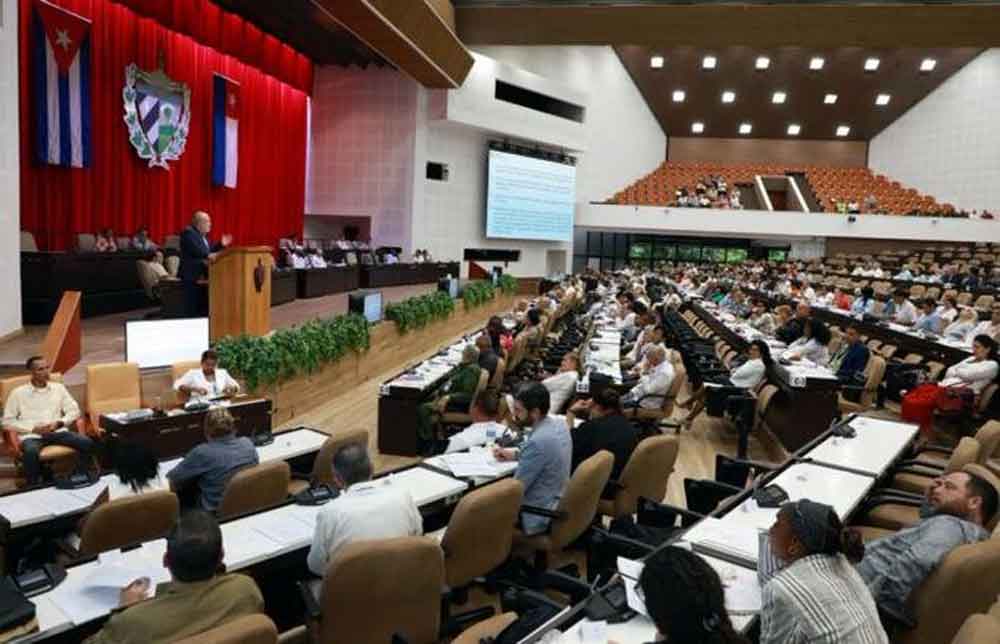
The National Assembly of People’s Power (Parliament) unanimously approved the extensive program of economic reforms, which introduces unprecedented transformations to the island’s socialist model.
The measure, called Transformations in Municipal Autonomy, seeks to decentralize powers at the municipal level, such as strategic planning, territorial and urban planning, food and nutritional sovereignty and security, community services, and the promotion of local economic development.
To this end, the diversification and strengthening of the productive sector are taken into account, considering the participation of different economic actors, whether Cubans residing in the country or abroad.
Within the framework of local autonomy, it is also essential to achieve the capacity to export and import, as well as to generate and retain foreign currency for current and capital expenditures.
It also addresses environmental management and combating climate change, social welfare and the provision of social services, governance, popular oversight, and citizen participation.
Meanwhile, it seeks to empower municipalities to approve investments in accordance with their development strategies.
In turn, it aims to define the credit mechanisms that will support their strategic planning.
Another objective is to create municipal funds through contributions from the profits of the state, private, and cooperative business sectors, and from equity participation.
Similarly, it seeks to diversify the mechanisms and channels for revenue collection in municipalities to strengthen their management and development, and to consolidate the local economic system with the participation of various stakeholders.
Effective mechanisms for solid waste and debris collection are also needed, including business models, foreign investment, and other means, which may involve tiered pricing for this service.
Furthermore, the plan seeks to recognize the capacity of municipalities to collaborate in addressing common problems.
The measures include the approval of direct investments aligned with territorial development strategies and the management of projects led by Cubans residing abroad.
This package comes amidst the acute crisis caused by the intensification of the economic war waged for nearly seven decades by the United States government against the Cuban population.
In its quest to force the island to surrender, the arbitrary U.S. embargo inflicts billions of dollars in damage to the economy, with a devastating impact in terms of lives lost, widespread shortages, and numerous health problems.
For many voices in Cuba, the U.S. blockade and economic warfare are the main obstacles to economic and social development.
[ SOURCE: PRENSA LATINA ]